無料体験はこちら

 PC・スマホで24時間レッスン可能レッスン回数は無制限英語4技能試験への対策も充実


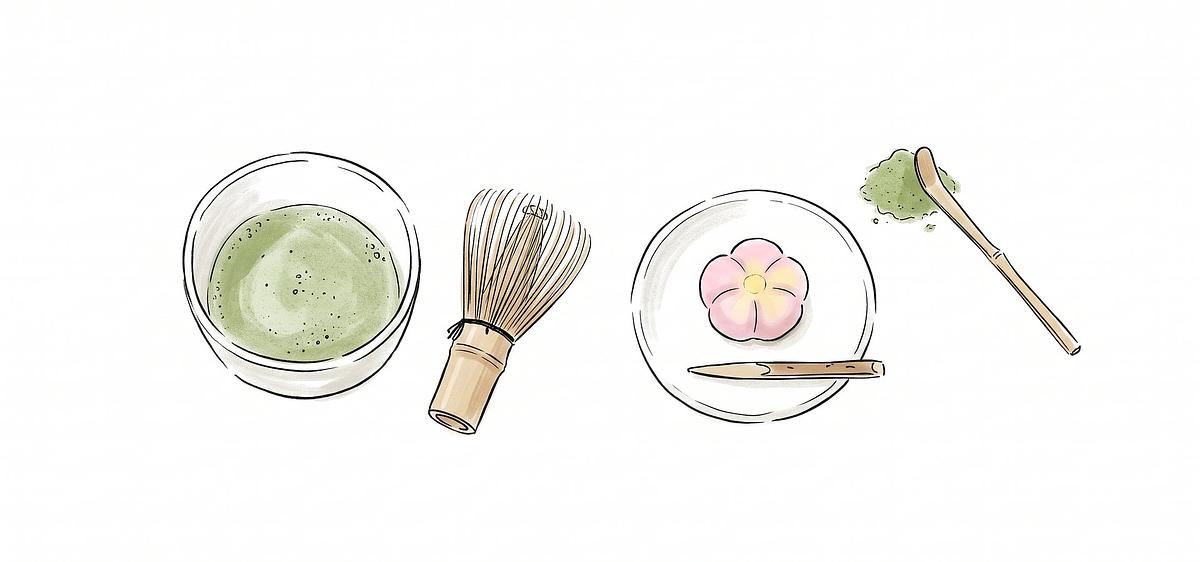
Matcha is a fine green powder made from tea leaves grown in the shade. In 1191, the Zen monk Eisai came back from China with tea seeds. He also helped bring to Japan a way of making tea by whisking powder and hot water in a bowl. Eisai wrote a book called Kissa Yojoki, or “Drinking Tea for Health.” At first, tea was mainly drunk in temples and by the upper class.
抹茶は、日よけをして育てた茶葉から作る、緑色のきめ細かい粉です。1191年、禅僧の栄西が中国から茶の種を持ち帰りました。また、栄西は粉末の茶と湯を茶碗の中でかき混ぜて飲む方法が日本に伝わることにも貢献したとされています。栄西は『喫茶養生記』(お茶を飲んで健康になるための本)も書きました。当初、お茶を飲むのは寺や上流階級の人たちが中心でした。
In the 1500s, the tea master Sen no Rikyu changed Japanese tea culture. He is considered one of the most influential figures in the history of the tea ceremony. The tea ceremony is called chado or sado, meaning “the way of tea.” Rikyu valued simplicity, using small, plain tea rooms and everyday objects in new ways. The host whisks matcha in front of guests. Guests are usually served wagashi, traditional Japanese sweets, with their tea.
1500年代、茶人の千利休が日本の茶の文化を大きく変えました。千利休は、茶道の歴史において最も大きな影響を与えた人物の一人とされています。茶道は「ちゃどう」または「さどう」と呼ばれ、「茶の道」を意味します。利休は簡素さを大切にし、小さくて飾り気のない茶室を使い、身近な道具も新しい使い方で取り入れました。茶道では、亭主が客の目の前で抹茶をたてます。客には通常、お茶と一緒に和菓子という日本の伝統的なお菓子が出されます。
Wagashi often use seasonal ingredients, and their sweetness suits the strong taste of matcha. Matcha is also used in many other foods and drinks. It flavors and colors mochi (soft rice cakes), soba noodles, ice cream, and lattes. Some matcha-flavored products use other kinds of powdered green tea instead of matcha. Some products may also contain added coloring. Today, matcha is enjoyed both as a traditional drink and as an ingredient in many modern foods and drinks.
和菓子には季節の素材がよく使われ、その甘さは抹茶の濃い味とよく合います。抹茶は、ほかにもさまざまな食べ物や飲み物に使われています。餅(やわらかい米のお菓子)、そば、アイスクリーム、ラテなどに、風味や色をつけるために使われています。抹茶風味の商品では、抹茶の代わりに別の種類の粉末緑茶が使われることもあります。また、着色料が加えられている商品もあります。現在、抹茶は伝統的な飲み物として親しまれる一方、現代のさまざまな食べ物や飲み物の材料としても楽しまれています。
PC・スマホで24時間レッスン可能レッスン回数は無制限英語4技能試験への対策も充実